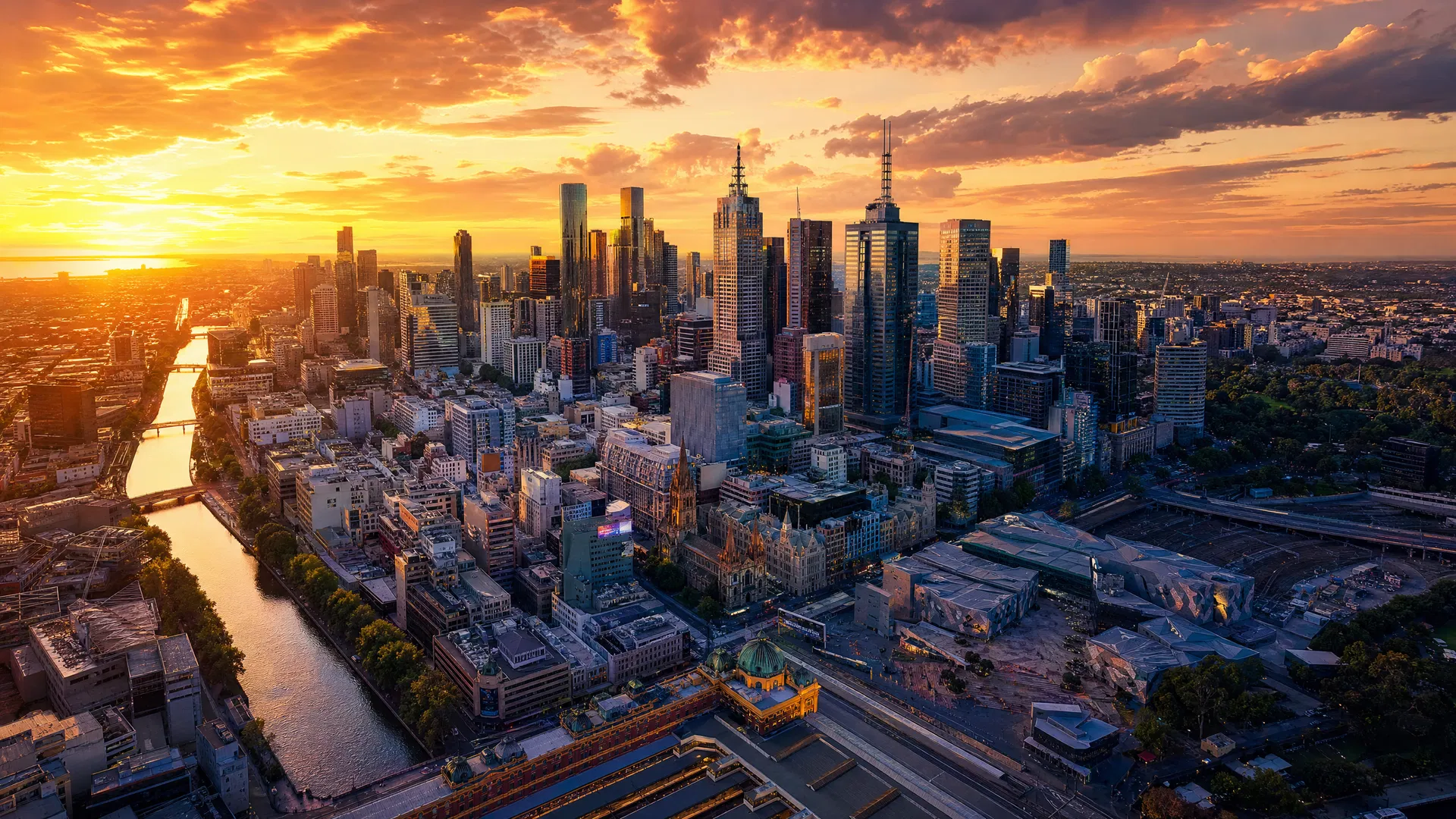
There is a reasonable argument that Melbourne is the most important city in the history of modern coffee. The flat white was either invented here or in Sydney, depending on who you ask, but Melbourne is where it became a cultural institution. The city's Italian immigrant community — which arrived in large numbers after World War II — brought with them an espresso culture that took root and evolved into something distinctly Australian: technically precise, ingredient-obsessed, and deeply embedded in daily life.
By the 1980s, Melbourne had a cafe culture that was unusual by global standards: espresso was the default, milk drinks were calibrated to a specific ratio, and the barista was treated as a skilled professional rather than a button-pusher. When the third wave arrived in the early 2000s, Melbourne's existing culture meant it was absorbed and refined rather than replacing something inferior. The result is a city where the average cafe quality is higher than almost anywhere else in the world.
Fitzroy and Collingwood: The Spiritual Home
Fitzroy is where Melbourne's specialty coffee culture is most concentrated and most self-aware. The suburb's Victorian terrace houses, independent bookshops, and record stores provide the cultural context in which Melbourne's cafe scene developed.
St. Ali on Yarra Place in South Melbourne (technically adjacent to Fitzroy's orbit) is one of the most influential cafes in Australian coffee history. Founded in 2005, St. Ali was among the first Melbourne cafes to treat coffee with the same seriousness that fine dining restaurants apply to wine. The sourcing is transparent, the extraction is precise, and the food program is genuinely excellent. The space — a converted warehouse with high ceilings and industrial fittings — became the template for specialty cafes globally.
Brother Baba Budan on Little Bourke Street in the CBD is a Melbourne institution. The chairs hanging from the ceiling are the visual signature, but the coffee is the reason to visit. The single-origin filter program here is among the best in the city, and the espresso is pulled with unusual consistency.
Proud Mary on Smith Street in Collingwood is another foundational address. The roastery cafe model — roasting on-site, serving from the same beans — is executed here with particular care. Proud Mary's sourcing relationships are among the most direct in Melbourne, and the transparency about farm-level information is unusual even by specialty standards.
The CBD: Coffee in the Laneways
Melbourne's Central Business District is famous for its laneway culture — narrow pedestrian alleys lined with cafes, bars, and street art. The laneways are where Melbourne's coffee culture is most visible to visitors.
Degraves Street is the most famous of the coffee laneways, a narrow alley running between Flinders Lane and Flinders Street Station. The cafes here — including Degraves Espresso and a cluster of smaller operators — are not always the most technically precise in the city, but the atmosphere is quintessentially Melbourne. Sitting at a small table in Degraves Street with an espresso on a weekday morning is one of the city's defining experiences.
Market Lane Coffee operates multiple locations across Melbourne, including a flagship in the Prahran Market. The sourcing program is exceptional — Market Lane is one of the few Melbourne roasters that publishes detailed information about the farms and cooperatives they buy from, including the price paid. The filter coffee here is consistently excellent.
Patricia Coffee Brewers on Little William Street in the CBD is a standing-room-only espresso bar that has become a reference point for espresso quality. There are no seats, no wifi, and no food. There is exceptional espresso, and that is the point.
Fitzroy North and Brunswick: The Roaster Belt
The northern suburbs of Melbourne — particularly Brunswick and Fitzroy North — have become home to a concentration of roasters who also operate retail cafes.
Seven Seeds in Carlton is one of the most respected roasters in Australia. The cafe is large and airy, with a visible roasting operation and a menu that changes with the seasons as new crops arrive. The filter program is particularly strong, with a rotating selection of single-origin coffees served by multiple brew methods.
Dukes Coffee Roasters on Flinders Lane operates a small, focused cafe attached to their roastery. The espresso here is calibrated with unusual precision, and the team's approach to milk temperature and texture is noticeably more careful than most cafes.
What Makes Melbourne Coffee Different
Melbourne's coffee culture has several characteristics that distinguish it from other cities. The flat white is the default drink — a 150-160ml espresso with steamed milk, smaller and more concentrated than a latte. The cafe as a social institution is taken seriously: Melbourne cafes are designed to be spent time in, not passed through. And the relationship between cafe and roaster is often direct — many Melbourne cafes roast their own beans or have exclusive relationships with local roasters.
The city's multicultural character also shapes its coffee. Italian espresso tradition, Ethiopian coffee ceremony culture, and Vietnamese iced coffee all have visible presences in Melbourne's cafe landscape.
Practical Notes for Visitors
Melbourne's cafes typically open between 7:00 and 7:30 AM on weekdays and 8:00 AM on weekends. Most close by 4:00 or 5:00 PM — Melbourne's cafe culture is strongly morning and lunch-oriented. The CBD laneways are walkable from any central hotel. The best neighborhoods for a coffee walk are Fitzroy (Smith Street and Brunswick Street), Carlton (Lygon Street and Faraday Street), and the CBD laneways (Degraves Street, Centre Place, Hardware Lane).
Tipping is not expected in Melbourne cafes — it is appreciated but not the norm. Card payment is universal. Oat milk is available at virtually every specialty cafe in the city.