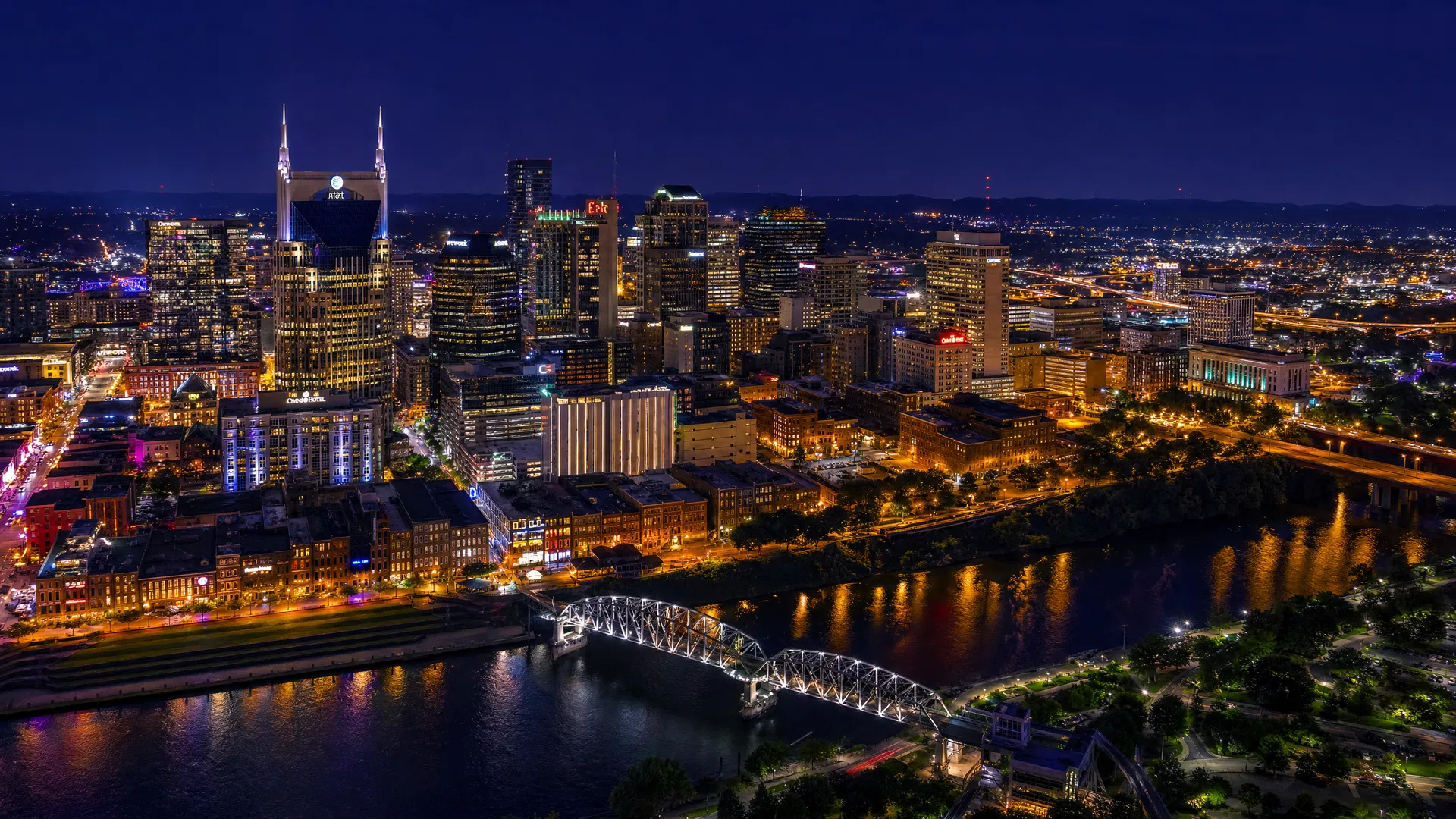
Nashville's transformation over the past fifteen years has been one of the most dramatic in American urban history. The city's population has grown by nearly 20 percent since 2010, driven by an influx of young professionals, the expansion of the healthcare and tech sectors, and a cultural moment that has made Nashville one of the most visited cities in the country. The coffee scene has grown with it — and in some ways ahead of it.
The city's first serious specialty coffee shops appeared around 2010, when a handful of operators began applying third-wave standards to a market that was largely unserved by anything beyond national chains. By 2015, Nashville had a genuine specialty ecosystem. By 2020, it had local roasters with national reputations. Today, Nashville's coffee scene is one of the most interesting in the South — not just by regional standards, but by any standard.
East Nashville: The Creative Core
East Nashville — the neighborhoods east of the Cumberland River, particularly Inglewood, Five Points, and Lockeland Springs — is where Nashville's most interesting coffee culture is concentrated. The area's Victorian houses, independent restaurants, and creative community provide the cultural context in which specialty coffee thrives.
Barista Parlor on Gallatin Avenue is the most visually striking cafe in Nashville and one of the most photographed in the country. The space — a converted auto shop with exposed brick, vintage motorcycles, and industrial fittings — is designed with unusual care. But the coffee is not merely aesthetic: the sourcing is direct, the espresso is pulled with precision, and the filter program is genuinely strong. Barista Parlor has multiple locations across Nashville, but the Gallatin Avenue original remains the best.
Crema Coffee Roasters on Hermitage Avenue in East Nashville is the city's most respected roaster. Founded in 2011, Crema has built sourcing relationships across Ethiopia, Colombia, Guatemala, and Kenya that are among the most direct in the Southeast. The cafe is attached to the roastery, and the transparency about sourcing — including the prices paid to farmers — is unusual for a Southern roaster. The filter program here is the best in Nashville.
Ugly Mugs Coffee & Tea on Woodland Street is one of Nashville's oldest specialty cafes and remains one of its most beloved. The space is unpretentious and comfortable, the coffee is consistently well-made, and the neighborhood regulars who have been coming for years give it an authenticity that newer, more design-conscious cafes sometimes lack.
The Gulch and Downtown: Specialty in the City Center
The Gulch — Nashville's most rapidly developed neighborhood, a former industrial area now filled with condominiums, restaurants, and boutiques — has attracted several specialty coffee operators.
Frothy Monkey originated in 12South and now has multiple locations, including a prominent presence in The Gulch. The coffee program is solid — good espresso, reliable filter — and the food program is genuinely strong. Frothy Monkey is the kind of all-day cafe that Nashville's new residents, many of whom come from cities with established specialty coffee cultures, have been looking for.
Steadfast Coffee on 11th Avenue South in The Gulch is one of Nashville's most technically focused cafes. The espresso program is calibrated with unusual precision, and the sourcing information provided to customers is more detailed than most Nashville cafes offer. The space is small and focused — this is a place for people who want to drink excellent coffee, not a destination for the Instagram aesthetic.
12South and Hillsboro Village: Neighborhood Institutions
12South and Hillsboro Village are two of Nashville's most established residential neighborhoods, and both have developed coffee cultures that reflect their character.
Bongo Java on Belmont Boulevard in Hillsboro Village is Nashville's oldest coffeehouse, founded in 1993. It is not a third-wave specialty cafe in the contemporary sense, but it is a genuine Nashville institution — the kind of place that has shaped the city's relationship with coffee for three decades. The coffee is good, the space is comfortable, and the history is real.
Fido on 21st Avenue South in Hillsboro Village is a Nashville institution that has been serving the Vanderbilt University community and surrounding neighborhood since 1996. The coffee program has evolved with the times, and the food is genuinely excellent. Fido is the kind of all-day neighborhood cafe that anchors a community.
What Makes Nashville Coffee Different
Nashville's coffee culture has a distinctly Southern character that distinguishes it from the more austere versions of specialty coffee found in Portland or New York. Hospitality is taken seriously — the service at Nashville's best cafes is warm in a way that can feel unusual to visitors from cities where specialty coffee culture has a reputation for aloofness. The food programs at Nashville cafes are generally stronger than the national average, reflecting the city's broader food culture.
The city's rapid growth has also created an interesting dynamic: Nashville's coffee scene is simultaneously serving long-term residents who have watched the city change and new arrivals who bring coffee expectations formed in cities like New York, Los Angeles, and Portland. The result is a scene that is both locally rooted and nationally aware.
Practical Notes for Visitors
Nashville's specialty cafes typically open between 7:00 and 8:00 AM and close between 5:00 and 7:00 PM. The city is primarily car-oriented, though East Nashville, 12South, and Hillsboro Village are walkable within their neighborhoods. Parking is generally available near most cafes.
Tipping is expected and appreciated — Nashville's service culture is generous, and the standard is 18 to 20 percent. Card payment is universal. Nashville's summers are hot and humid, which makes the city's cold brew and iced coffee programs particularly relevant from May through September.